Retaining Wall Drainage in Tuscaloosa, AL
Retaining wall drainage services focus on installing and maintaining systems that prevent water buildup behind retaining walls. Proper drainage is essential to reduce pressure on the wall structure, minimize the risk of shifting or failure, and protect the landscape. These services typically cover projects such as residential garden walls, yard terraces, and larger retaining structures used to manage sloped terrain. Homeowners often seek drainage solutions when constructing new retaining walls or when existing walls show signs of water pooling or leaning, aiming to preserve the stability and longevity of their landscape features.
Before requesting retaining wall drainage services, property owners usually want to understand the existing site conditions, including soil type, slope, and water flow patterns. It’s also helpful to know the type of retaining wall material and design, as different structures may require specific drainage approaches. Clear communication about concerns related to water drainage, erosion, or wall movement can help determine the most effective solutions. Proper assessment and planning ensure that drainage systems effectively divert water away from the wall, maintaining the integrity of the landscape and reducing potential repair costs.
Many property owners in Tuscaloosa, AL look into Retaining Wall Drainage for repairs, replacements, upgrades, and appearance-related improvements.
Proper Drainage Solutions
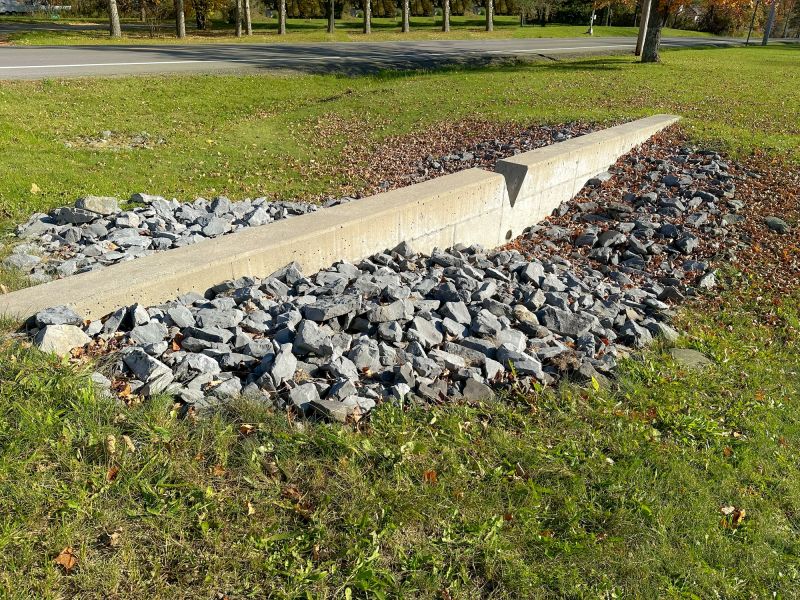
Effective drainage helps prevent water buildup behind retaining walls in tuscaloosa properties.
Foundation And Structural Protection
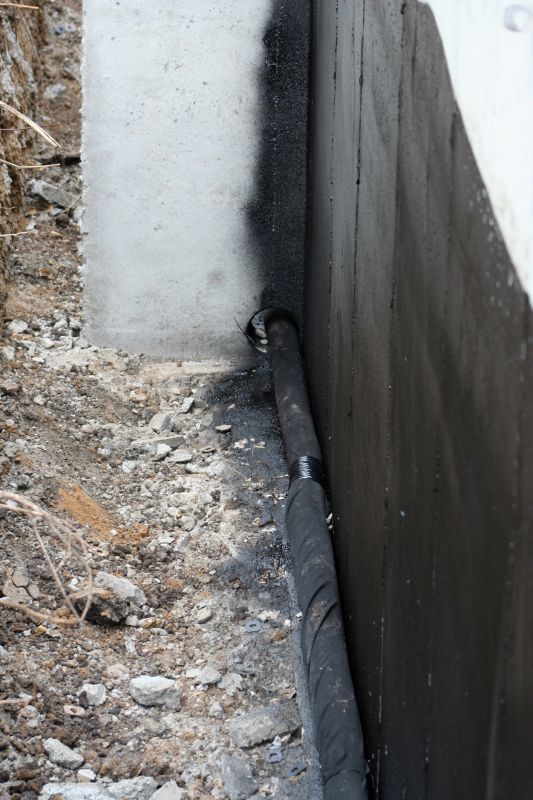
Installing quality drainage systems extends the lifespan of retaining walls and nearby structures.
Erosion Control And Soil Stability
Good drainage design reduces soil erosion and maintains landscape integrity around retaining walls.
Retaining Wall Drainage in Tuscaloosa, AL
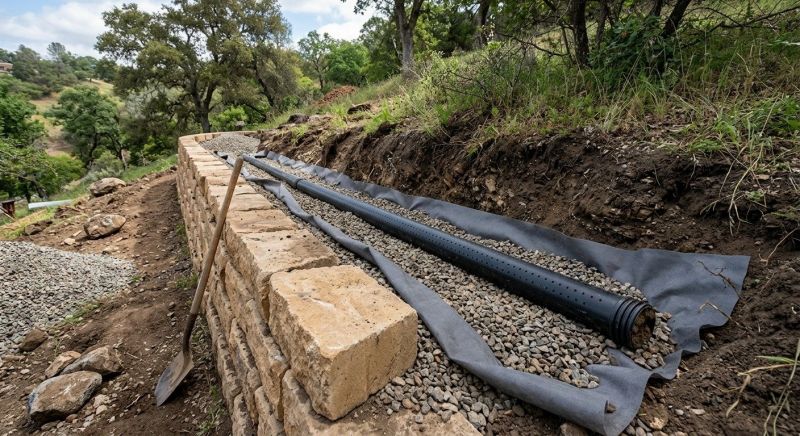
Retaining wall drainage services focus on installing and maintaining systems that prevent water buildup behind retaining walls. Proper drainage is essential to reduce pressure on the wall structure, minimize the risk of shifting or failure, and protect the landscape. These services typically cover projects such as residential garden walls, yard terraces, and larger retaining structures used to manage sloped terrain. Homeowners often seek drainage solutions when constructing new retaining walls or when existing walls show signs of water pooling or leaning, aiming to preserve the stability and longevity of their landscape features.
Before requesting retaining wall drainage services, property owners usually want to understand the existing site conditions, including soil type, slope, and water flow patterns. It’s also helpful to know the type of retaining wall material and design, as different structures may require specific drainage approaches. Clear communication about concerns related to water drainage, erosion, or wall movement can help determine the most effective solutions. Proper assessment and planning ensure that drainage systems effectively divert water away from the wall, maintaining the integrity of the landscape and reducing potential repair costs.
Many property owners in Tuscaloosa, AL look into Retaining Wall Drainage for repairs, replacements, upgrades, and appearance-related improvements.
Common Retaining Wall Drainage Jobs
Retaining wall drainage systems help prevent water buildup behind walls, reducing pressure and potential damage.
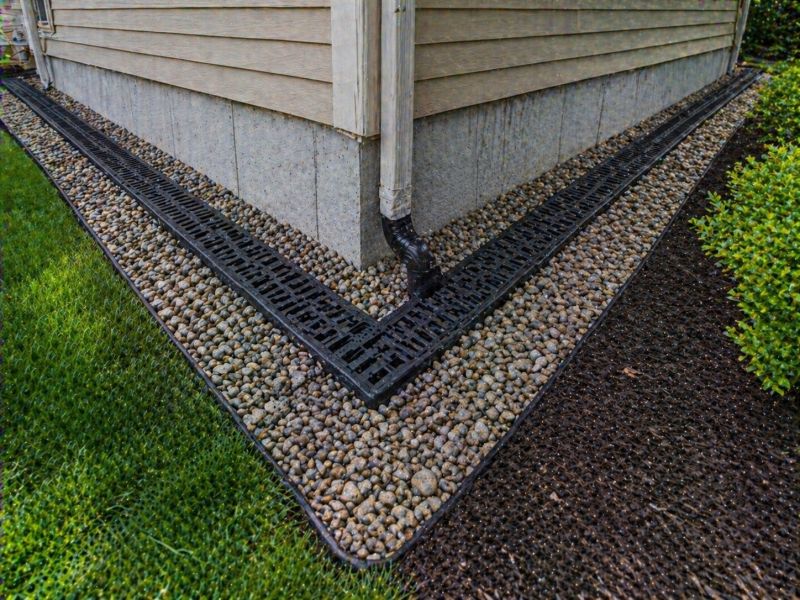
Drainage solutions for retaining walls improve soil stability by directing water away from the structure.
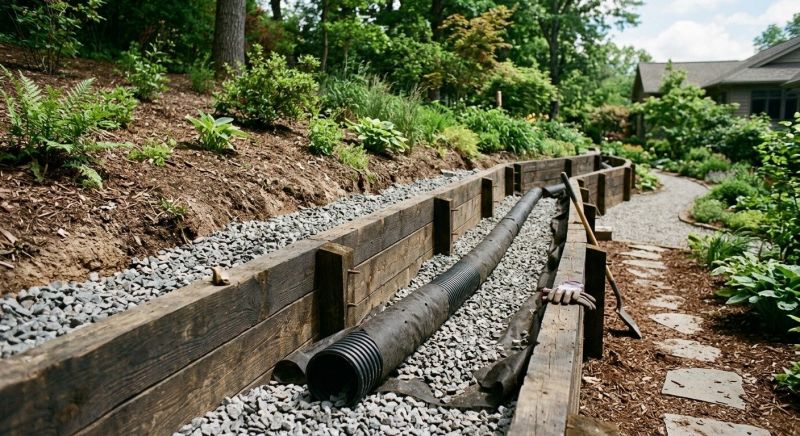
Drainage pipe installation ensures excess water is efficiently channeled away from retaining walls.
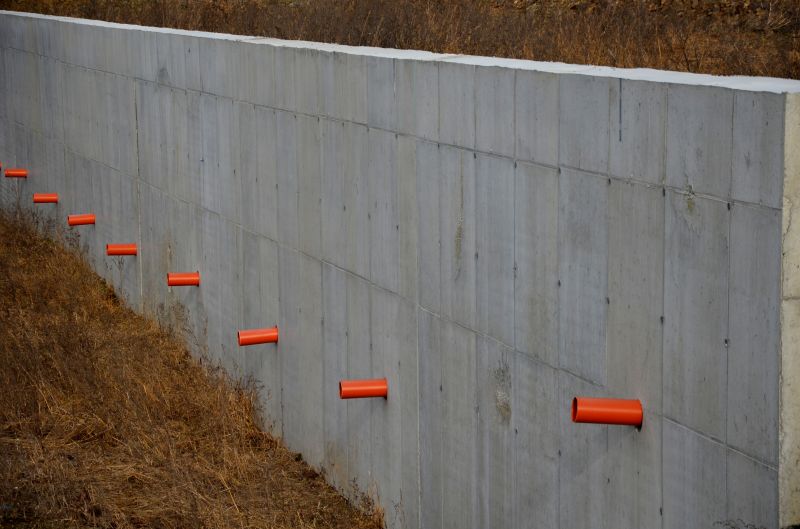
Weep hole placement and sealing allow moisture to escape while keeping debris out of the wall.
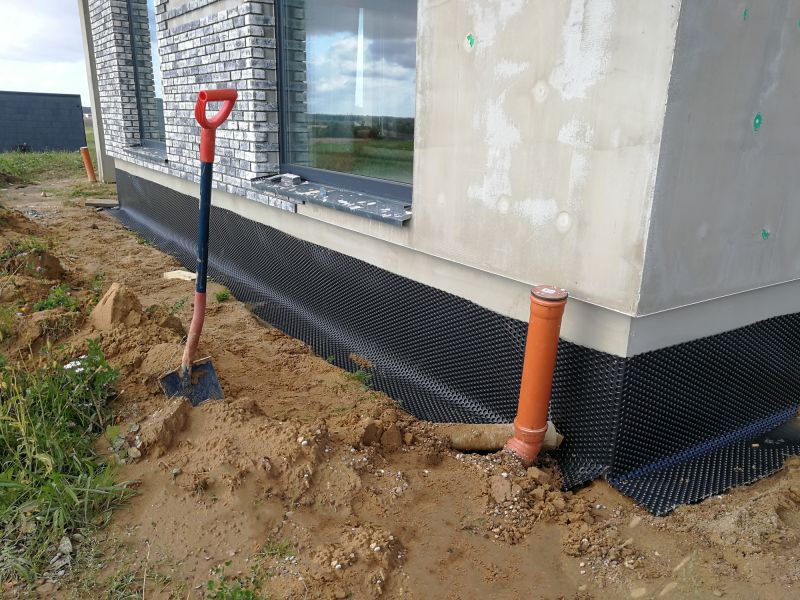
Drainage upgrades for existing walls protect against water infiltration and prolong the lifespan of the structure.
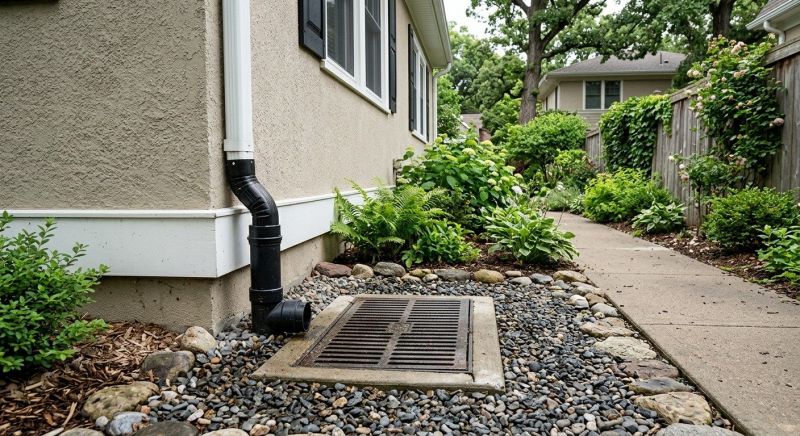
Water management for retaining walls minimizes erosion and maintains landscape integrity over time.
Retaining Wall Drainage Questions
Why is drainage important for retaining walls? Proper drainage prevents water buildup behind the wall, reducing pressure and the risk of failure.
What types of drainage solutions are used in retaining wall projects? Common options include gravel backfill, drainage pipes, and weep holes to allow water to escape.
How can poor drainage affect a retaining wall's lifespan? Inadequate drainage can lead to water accumulation, increasing pressure and causing cracks or collapse over time.
What signs indicate a need for drainage improvements in a retaining wall? Signs include water pooling, soil erosion, or bulging sections near the wall structure.
Request Retaining Wall Drainage in Tuscaloosa, AL
Use the quote form on this page to share the basics of your project and request more information for the type of work you need.