Get Culvert Debris Removal in Asheville, NC
Culvert debris removal services for Asheville-area property owners involve clearing blockages like fallen leaves, sediment, and debris to prevent flooding and ensure proper water flow.
Property owners in Asheville, NC, and surrounding areas often face challenges with debris buildup in culverts, especially after heavy rains or seasonal changes. Proper debris removal is essential to maintain clear drainage paths, prevent flooding, and protect the integrity of the property’s landscape and infrastructure. Exploring local contractors who specialize in culvert debris removal can help ensure that drainage systems function effectively, reducing the risk of costly water damage and ongoing maintenance issues.
For those planning property improvements or addressing existing drainage concerns, comparing options among experienced local service providers can make a significant difference. Many contractors understand the unique drainage needs of Asheville’s terrain and climate, offering tailored solutions to keep culverts clear and functioning properly. Continuing to explore available services can help property owners make informed decisions about maintaining the safety and stability of their land and structures.
- Stormwater Management - when heavy rains cause debris buildup in culverts that obstruct water flow.
- Flood Prevention - during periods of frequent rainfall when debris accumulates and threatens drainage systems.
- Roadway Maintenance - in neighborhoods where debris obstructs culverts, leading to potential road damage or closures.
- Construction Site Cleanup - after construction projects in Asheville, NC, that generate debris in drainage culverts.
- Emergency Flood Response - following storms or severe weather events that deposit debris into culverts, risking localized flooding.
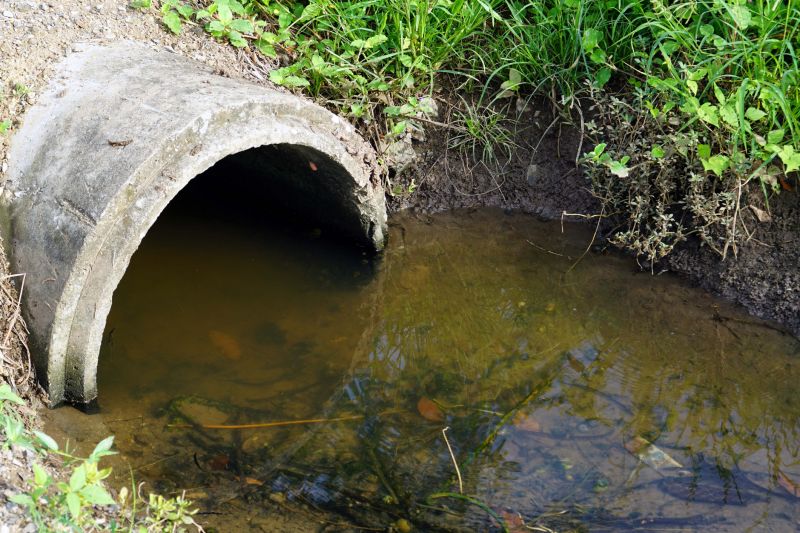
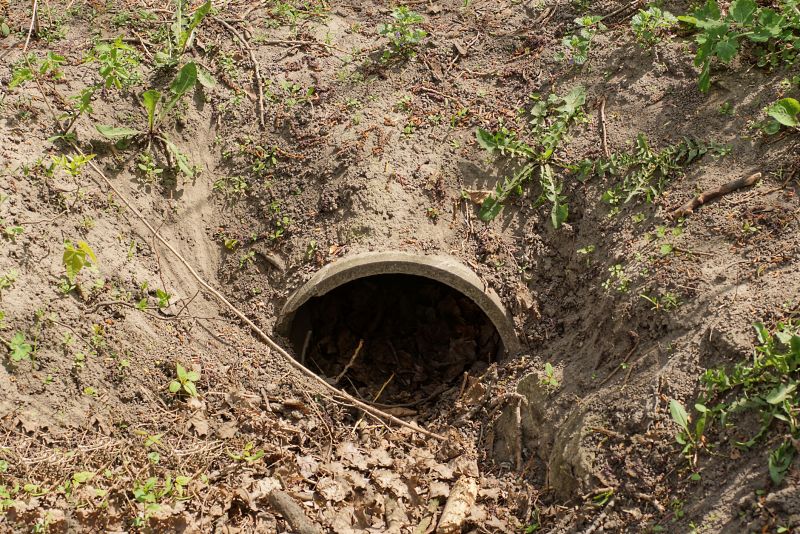

Culvert debris removal services involve clearing out materials such as leaves, branches, sediment, and other obstructions that can accumulate inside or around culverts-structures that allow water to flow beneath roads, driveways, or pathways. Over time, debris can build up and restrict water flow, leading to potential drainage issues during heavy rainfalls. Professional contractors use specialized equipment and techniques to safely and effectively remove blockages, ensuring that culverts remain functional and water can pass freely. Regular debris removal can help prevent minor issues from escalating into more serious problems that may require costly repairs or property damage.
This service addresses common problems like water pooling, erosion, or flooding caused by clogged culverts. When debris obstructs the flow of water, it can cause localized flooding, undermining the stability of nearby structures or landscaping. In some cases, accumulated debris can lead to increased pressure on culvert walls, risking structural failure. Clearing out debris helps maintain proper drainage, reduces the risk of water damage to roads and properties, and supports the overall integrity of stormwater management systems. Property owners in flood-prone areas or those experiencing drainage issues often find culvert debris removal to be a practical solution.
Typically, culvert debris removal services are used by homeowners, property managers, and business owners who have drainage systems on their land. This includes properties with private roads, driveways, or landscaped areas that rely on culverts to manage stormwater runoff. Rural properties, farms, and residential neighborhoods with drainage concerns are common clients. Commercial properties with parking lots or access roads may also need this service to prevent flooding and maintain safe access. Any property that experiences water accumulation or erosion around culverts can benefit from professional debris removal to keep drainage systems functioning properly.
When drainage problems become apparent, or after severe storms, property owners may notice standing water, soggy ground, or even minor flooding near culverts. These signs indicate that debris buildup could be impeding water flow. In such cases, hiring local contractors for culvert debris removal can help restore proper drainage and protect the property’s foundation and landscaping. Regular inspections and maintenance can also prevent debris from accumulating excessively, ensuring that culverts continue to perform their role effectively. Contacting experienced service providers can provide peace of mind that drainage systems are clear and functioning as intended.
The overview below groups typical Culvert Debris Removal projects into broad ranges so you can see how smaller, mid-sized, and larger jobs often compare in Asheville, NC.
In many markets, a large share of routine jobs stays in the lower and middle ranges, while only a smaller percentage of projects moves into the highest bands when the work is more complex or site conditions are harder than average.
Smaller Repairs - Typical costs for routine debris removal from culverts in Asheville and nearby areas range from $250 to $600. Most standard jobs fall within this range, especially for minor blockages or cleaning projects.
Moderate Clearing - More extensive debris removal or partial culvert cleaning usually costs between $600 and $1,200. These projects often involve moderate buildup or accessible locations and are common for local service providers.
Major Repairs - Larger, more complex debris removal projects, including significant blockages or damaged culverts, can range from $1,200 to $3,000. Such jobs are less frequent but may be necessary after severe weather events or neglect.
Full Replacement - Complete culvert replacement or extensive debris removal involving excavation can cost $5,000 or more. These projects are less common and typically reserved for critical infrastructure repairs or significant system failures.
Actual totals will depend on details like access to the work area, the scope of the project, and the materials selected, so use these as general starting points rather than exact figures.
Stormwater Drainage Maintenance - local contractors often perform debris removal in stormwater systems to prevent blockages and ensure proper water flow.
Stream and Creek Cleanup - professionals who clear debris from natural waterways utilize similar tools and planning methods as culvert debris removal projects.
Flood Prevention Projects - debris removal is a key component in maintaining drainage infrastructure to reduce flood risks in residential and commercial areas.
Roadside Ditch Clearing - clearing debris from roadside ditches involves similar techniques and equipment used in culvert debris removal efforts.
Bridge and Culvert Inspection Support - debris removal services often support inspections by ensuring clear access and unobstructed views of infrastructure components.
Erosion Control Site Preparation - debris removal is part of site prep activities to stabilize soil and prepare areas for erosion mitigation measures.

When comparing service providers for culvert debris removal, it’s important to consider their experience with similar projects in the Asheville area. Homeowners should look for local contractors who have a proven track record of handling culvert maintenance and debris clearing specific to their region’s terrain and weather conditions. Asking about previous work or requesting examples of completed projects can help gauge a contractor’s familiarity with the unique challenges that come with culvert debris removal in the local environment.
Clear, written expectations are essential to ensure that both the homeowner and the contractor are aligned on the scope of work. Homeowners should seek detailed descriptions of what the debris removal process includes, any potential limitations, and the materials or equipment that will be used. Having this information in writing helps prevent misunderstandings and provides a reference point throughout the project, ensuring that the work proceeds smoothly and meets the homeowner’s needs.
Reputable references and effective communication are key indicators of a dependable service provider. Homeowners are encouraged to ask local contractors for references from previous clients, especially those who had similar culvert debris removal needs. Good communication, including prompt responses and clear explanations, fosters a collaborative relationship and helps address any questions or concerns early in the process. It’s important to remember that this site introduces homeowners to local options, not that it performs the work itself, so doing a bit of research into each contractor’s reputation and communication style can lead to a more satisfactory experience.
Property owners in Asheville, NC use Culvert Debris Removal services for practical projects around their homes and businesses. This guide focuses on everyday jobs and straightforward project options.
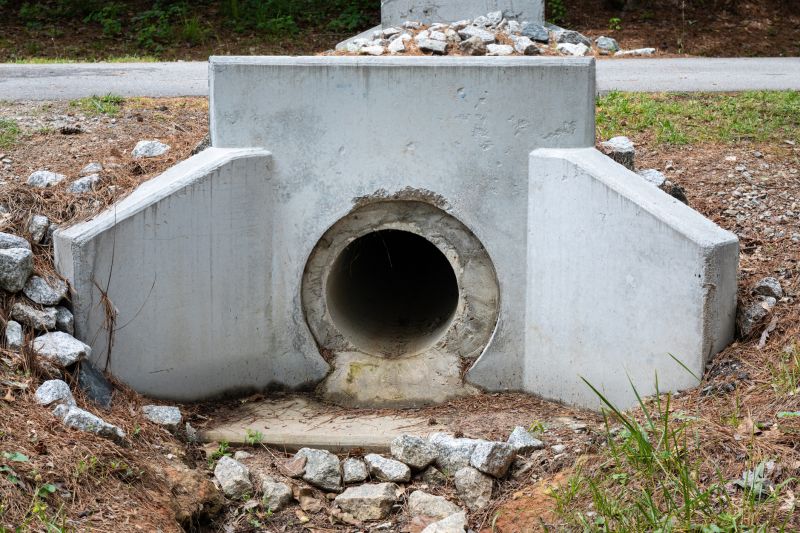
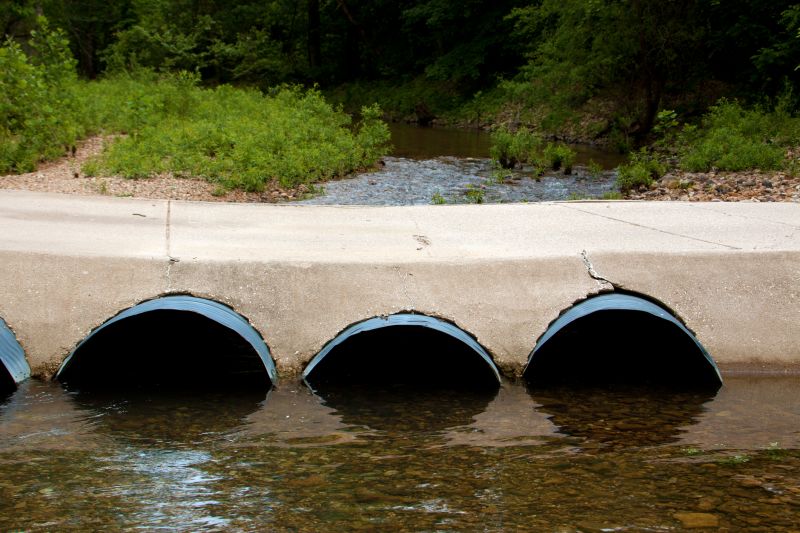
Culvert debris removal services are often needed after heavy rains or storms that cause leaves, branches, and other debris to accumulate in drainage systems. Property owners in Asheville, NC, might notice water pooling or slow drainage around their property, which can lead to flooding or damage during subsequent rainfall. Local contractors who specialize in culvert maintenance can help clear out blockages, ensuring proper water flow and reducing the risk of water-related issues in residential or commercial areas.
Additionally, routine inspections and debris removal might be necessary to prevent clogs that could compromise the integrity of drainage infrastructure. Homeowners with properties near streams, creeks, or hillside areas often seek these services to maintain effective drainage and avoid costly repairs. Service providers familiar with local conditions can assess the situation and handle debris removal efficiently, helping property owners keep their land safe and functional.
What is culvert debris removal? Culvert debris removal involves clearing accumulated materials such as leaves, dirt, and obstructions from culverts to ensure proper water flow and prevent flooding or damage.
Why is debris removal important for culverts? Removing debris helps maintain the structural integrity of culverts, reduces the risk of blockages, and ensures effective drainage during heavy rainfall or storms.
Who can handle culvert debris removal? Local contractors with experience in drainage and infrastructure services can assess and perform culvert debris removal safely and effectively.
What types of debris are typically removed from culverts? Common debris includes leaves, branches, sediment, trash, and other obstructions that can impede water flow.
How can I find a service provider for culvert debris removal? You can contact local service providers who specialize in drainage and culvert maintenance to compare options and schedule the work.
Prevent Flooding and Water Damage - Regular debris removal from culverts helps ensure proper water flow, reducing the risk of backups during heavy rains.
Maintain Drainage Systems - Clearing debris keeps culverts functioning effectively, preventing blockages that can cause pooling or erosion on the property.
Protect Landscaping and Foundations - Removing debris from culverts helps direct water away from structures and landscaped areas, minimizing potential damage.
Prepare for Storm Events - Having debris cleared from culverts ensures drainage systems are ready to handle stormwater efficiently, safeguarding the property.
If you are thinking about Culvert Debris Removal for a property in Asheville, NC, this guide is meant to help you understand the work, the typical project types, and how different options might fit your plans.
When you are ready, you can use the quote form on this page to share a few details about your project. From there, local pros can review the basics and respond with options that match what you have in mind.