Get Culvert Debris Removal in Seattle, WA
Culvert debris removal services help Seattle-area property owners clear blockages, prevent flooding, and maintain drainage systems by removing leaves, mud, and other obstructions from culverts.
Culvert debris removal is an important service for property owners in Seattle, WA who want to ensure proper drainage and prevent potential flooding or water damage. Over time, leaves, sediment, and other debris can accumulate in culverts, reducing their effectiveness and increasing the risk of blockages. Exploring local contractors who specialize in culvert maintenance can help property owners plan for regular inspections and timely debris removal, supporting the long-term health of drainage systems and the safety of the property.
Property owners in the Seattle area may consider culvert debris removal as part of their ongoing property management or upcoming construction projects. Comparing local service providers allows for assessing different approaches and expertise, ensuring the work is handled efficiently and effectively. Continuing to read can provide insights into the options available and help identify qualified contractors capable of managing culvert maintenance tailored to the specific needs of the local environment.
- Stormwater Drainage Maintenance - when heavy rains cause debris buildup in culverts in neighborhoods like Capitol Hill or Queen Anne.
- Culvert Inspection and Cleaning - to prevent flooding after debris accumulates in culverts beneath busy commercial districts.
- Emergency Debris Removal - needed when unexpected blockages threaten to cause localized flooding in areas such as South Lake Union.
- Vegetation and Debris Clearing - to maintain proper flow in culverts obstructed by fallen branches or overgrown plant material in suburban neighborhoods.
- Culvert Repair and Debris Removal - required when aging infrastructure becomes clogged and needs attention to avoid property damage.
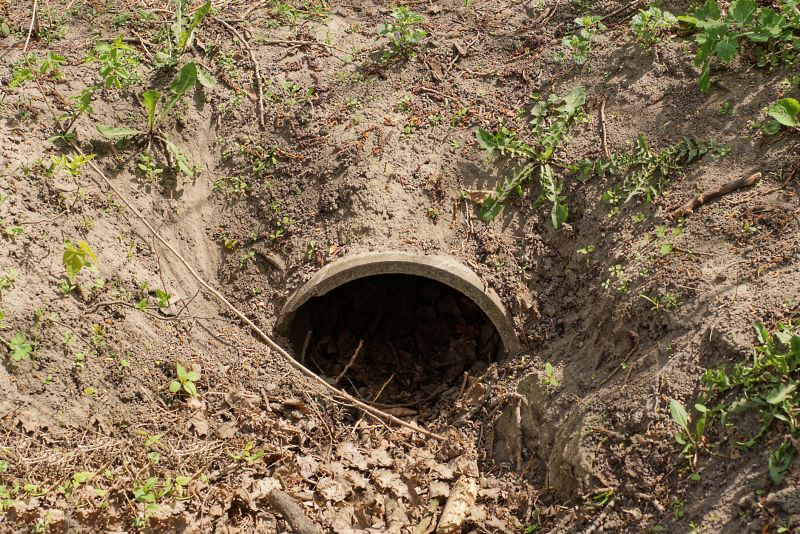
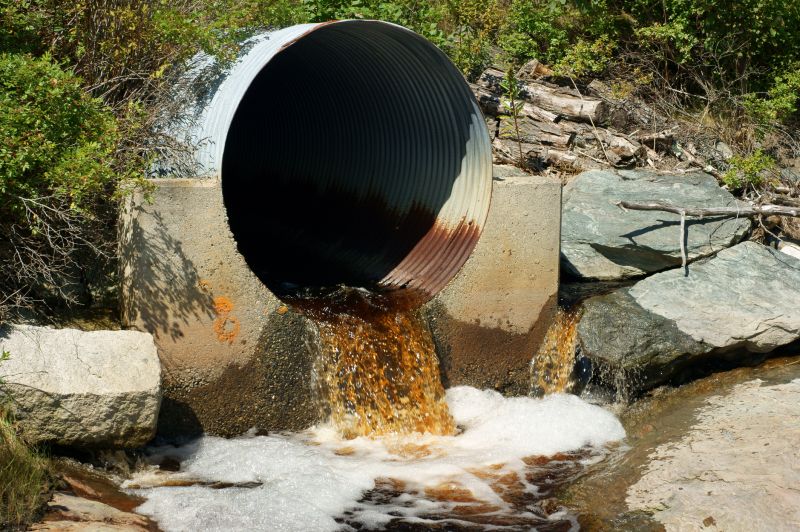
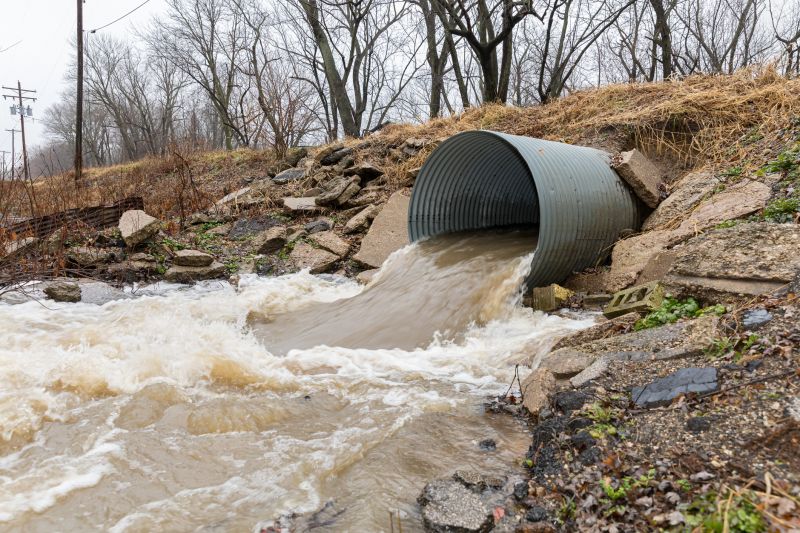
Culvert debris removal services involve clearing out blockages such as leaves, dirt, sediment, and other debris that accumulate inside culverts and drainage pipes. These services help ensure that water can flow freely through the culvert system, preventing backups and potential flooding during heavy rains. Regular maintenance by experienced contractors can identify and remove debris before it causes more significant problems, helping to maintain proper drainage and protect property foundations and landscaping.
This service is essential for addressing common issues like water pooling, erosion, and property flooding, especially after storms or periods of heavy rainfall. When debris obstructs culverts, water can overflow or back up onto driveways, yards, or even into basements. Removing debris helps mitigate these risks by restoring proper water flow, reducing the likelihood of damage to structures, landscaping, and other property features. Homeowners who notice drainage problems or water accumulation near culverts may find debris removal to be an effective solution.
Culvert debris removal services are often used on residential properties, particularly those with private drainage systems, driveways, or low-lying areas prone to flooding. Rural properties, farms, and properties with large yards or gardens may also require regular maintenance to prevent blockages caused by fallen leaves or sediment buildup. Additionally, properties located in areas with frequent storms or heavy rainfall benefit from routine inspections and debris removal to ensure their drainage systems remain clear and functional.
By working with local contractors, homeowners can access professional culvert debris removal tailored to their specific property needs. These specialists are equipped to assess the condition of culverts, identify potential issues, and perform thorough debris removal to maintain optimal drainage. Regular service can help prevent costly repairs from water damage, erosion, or flooding, making it a practical step for property owners seeking to protect their investment and maintain a safe, dry outdoor environment.
The overview below groups typical Culvert Debris Removal projects into broad ranges so you can see how smaller, mid-sized, and larger jobs often compare in Seattle, WA.
In many markets, a large share of routine jobs stays in the lower and middle ranges, while only a smaller percentage of projects moves into the highest bands when the work is more complex or site conditions are harder than average.
Smaller Repairs - typical costs range from $250 to $600 for routine debris removal from culverts. Many common jobs fall within this range, especially for minor blockages or cleaning tasks.
Mid-Size Projects - more extensive debris removal or partial culvert cleaning can cost between $600 and $1,500. These projects are fairly common when dealing with moderate buildup or partial obstructions.
Larger or Complex Jobs - full culvert cleaning or debris removal involving difficult access can range from $1,500 to $3,000. Fewer projects reach this tier, often requiring specialized equipment or extensive work.
Full Replacement or Major Repairs - complete culvert replacement or significant repairs can exceed $5,000. Such projects are less frequent and typically involve complex site conditions or structural issues.
Actual totals will depend on details like access to the work area, the scope of the project, and the materials selected, so use these as general starting points rather than exact figures.
Stream Crossing Maintenance - local contractors often handle projects involving clearing debris from stream crossings to ensure proper water flow and prevent blockages.
Storm Drain Cleaning - professionals who remove debris from storm drains share similar skills in identifying and clearing obstructions that can cause flooding or water backup.
Floodplain Management Projects - these projects require planning and debris removal to maintain floodplain functionality and reduce flood risks in local communities.
Waterway Dredging - debris removal from waterways and channels involves similar equipment and techniques used in culvert debris clearance.
Bridge and Culvert Inspection Support - debris removal often accompanies inspections to assess structural integrity and prevent water flow issues.
Erosion Control Site Preparation - clearing debris from erosion control sites ensures proper installation of barriers and proper water management in the area.
When evaluating potential service providers for culvert debris removal, it’s important to consider their experience with similar projects. Homeowners should inquire about how long a contractor has been working in the field and whether they have a history of handling culvert maintenance or debris removal specifically. Contractors with relevant experience are more likely to understand the unique challenges of the local terrain and weather conditions, which can impact the effectiveness and longevity of the work. Asking for examples of past projects or references can provide insight into their familiarity with comparable jobs and their ability to deliver satisfactory results.
Clear, written expectations are essential to ensure that both parties are aligned on the scope of work. Homeowners should seek detailed descriptions of the services offered, including what debris removal entails, any necessary site preparation, and cleanup procedures. A reputable local contractor will be transparent about what is included and what might be additional, helping to prevent misunderstandings later on. Having a written outline of expectations also makes it easier to compare different providers and choose one that offers comprehensive and straightforward service descriptions.
Effective communication and reputable references are key indicators of a reliable service provider. Homeowners are encouraged to ask potential contractors for references from previous clients, especially those with similar culvert debris removal projects. Talking to past customers can reveal insights into the contractor’s professionalism, responsiveness, and quality of work. Additionally, a contractor who maintains open lines of communication-answering questions promptly and providing clear updates-can help ensure the project proceeds smoothly. Remember, the goal is to find local service providers who are experienced, transparent, and communicative, making it easier to connect with the right professionals for the job.
Property owners in Seattle, WA use Culvert Debris Removal services for practical projects around their homes and businesses. This guide focuses on everyday jobs and straightforward project options.
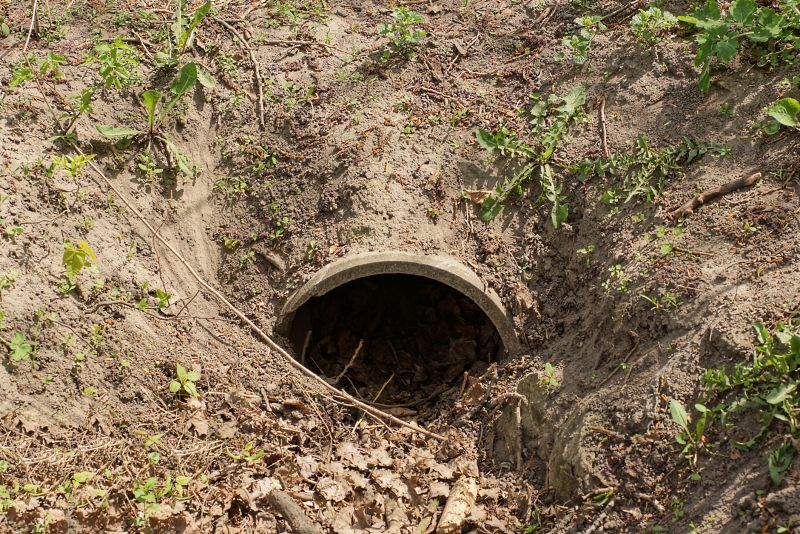
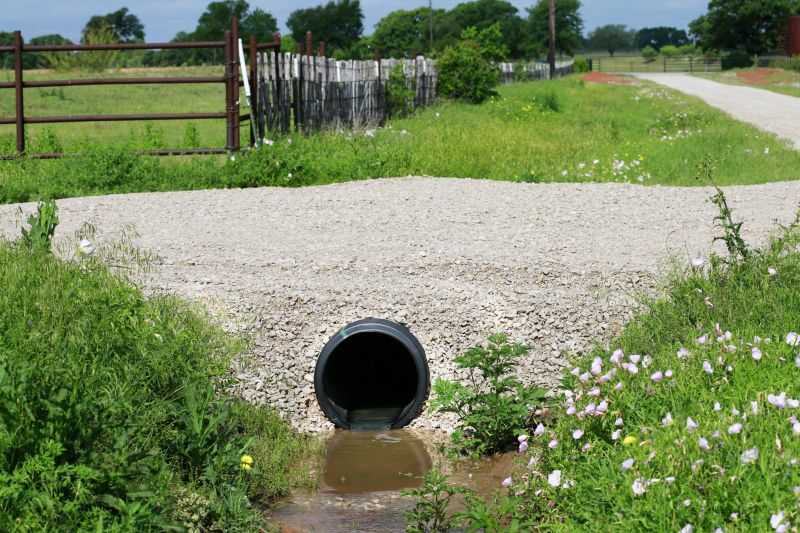
Culvert debris removal is a common need for property owners in Seattle, WA, especially after heavy rains or storms that can cause leaves, branches, and other debris to clog drainage systems. Homeowners with drainage issues around their property might seek help to clear blockages that could lead to flooding or water pooling during periods of high rainfall. Local contractors experienced in culvert maintenance can assess and remove debris to help ensure proper water flow, reducing the risk of water damage or landscape erosion.
In addition, property owners managing drainage systems for driveways, gardens, or commercial sites often require debris removal services to maintain effective runoff management. Over time, accumulated debris can impair culvert function, leading to potential backups or flooding during Seattle’s wet seasons. Service providers in the area are equipped to handle these everyday situations, helping property owners keep their drainage infrastructure clear and functioning properly to protect their land and structures.
What is culvert debris removal? Culvert debris removal involves clearing out leaves, sediment, and other obstructions from culverts to ensure proper water flow and prevent flooding.
Why is debris removal important for culverts? Removing debris helps maintain the structural integrity of culverts and reduces the risk of water backups, which can cause property damage or road issues.
How do local contractors handle culvert debris removal? Local service providers typically assess the culvert, remove accumulated debris safely, and ensure proper flow capacity is restored.
What types of debris are commonly removed from culverts? Common debris includes leaves, branches, sediment, trash, and other materials that can block water passage.
Can culvert debris removal prevent flooding? Yes, regular debris removal helps maintain clear water pathways, reducing the likelihood of flooding during heavy rain or storms.
Prevent Flooding and Water Damage - Removing debris from culverts helps ensure proper water flow during heavy rains, reducing the risk of flooding on residential properties.
Maintain Drainage Systems - Regular debris removal keeps culverts clear, preventing blockages that can cause water buildup and damage to landscaping or foundations.
Improve Property Safety - Clearing debris from culverts reduces hazards around drainage areas, making walkways and driveways safer during storm events.
Support Proper Stormwater Management - Professional culvert debris removal assists in managing stormwater runoff effectively, protecting property from erosion and water-related issues.
If you are thinking about Culvert Debris Removal for a property in Seattle, WA, this guide is meant to help you understand the work, the typical project types, and how different options might fit your plans.
When you are ready, you can use the quote form on this page to share a few details about your project. From there, local pros can review the basics and respond with options that match what you have in mind.